
SNAP Work Rules 2026: Few federal benefit rules have changed as much as the work requirements for the Supplemental Nutrition Assistance Program (SNAP). Since the One Big Beautiful Bill Act (OBBB) became law in 2025, more adults have been placed under a three-month time limit, and some groups that were protected for years no longer are. By November 2026 those changes are no longer a forecast. They are part of everyday SNAP administration in most states.
The newest development is regulatory. On November 10, 2026, USDA published a proposed rule to write the OBBB’s time-limit changes into federal regulation, and comments must arrive by December 10, 2026. The proposal does not create the new rules, because the law already did. It turns them into formal regulations and tightens how states can obtain geographic waivers.
SNAP Work Rules 2026
This article explains who is affected, who is exempt, what the work standard is, and what is still unsettled. It also gives the current benefit amounts. Check official Sources of USDA, Federal Register, and other government documents.
Two sets of work rules
SNAP has a general work requirement and a stricter time limit, and they are easy to confuse.
The general rules apply to most working-age adults. USDA says people aged 16 to 59 who can work will probably need to meet them. They include registering for work, taking part in SNAP Employment and Training (E&T) or workfare if assigned, accepting a suitable job, and not quitting a job or cutting hours below 30 a week without good reason. Someone who fails them is disqualified for at least a month, and repeated failures bring longer disqualifications.
The time limit is the harsher rule. If it applies to you and you do not meet the standard, you lose benefits after three months. The clock runs over a 36-month period, and the months do not need to be consecutive. The group it covers has long been called “able-bodied adults without dependents,” or ABAWDs. In the new proposed rule, USDA says it is no longer using that term, to reflect the change and use plain language. Many advocates and state agencies still use the older label, so you will see both.
What the work standard is?
To keep benefits beyond three months, a covered adult must do one of these:
- Work at least 80 hours a month, whether paid, in exchange for goods or services, unpaid, or as a volunteer.
- Take part in a work program, such as SNAP E&T or another federal, state, or local program, for at least 80 hours a month.
- Combine work and program hours to reach 80 hours a month in total.
- Complete workfare for the number of hours assigned, which depends on the benefit amount.
Eighty hours a month is about 20 hours a week. Averaging over the month matters, so keep records of hours, especially for volunteering and informal work, which a caseworker may need proof of.
What the 2025 law changed?
The OBBB revised who counts as subject to the time limit. USDA’s October 3, 2025 implementation memo lists the changes. The upper age exception rises to 65 and older, the dependent-child exception is limited to children under 14, and the exceptions for homeless individuals, veterans, and young adults who aged out of foster care are removed. New exceptions are established for an “Indian,” an “Urban Indian,” and a “California Indian” as defined in the Indian Health Care Improvement Act.
In practice, the people newly pulled in include adults aged 55 to 64, parents whose children are all 14 or older, veterans, people experiencing homelessness, and former foster youth aged 24 or younger. USDA’s Tribal consultation materials add that people aged 60 to 64 are subject only to the time limit, not the general work requirement.
Some of the removed exceptions had been temporary anyway. The memo explains that the Fiscal Responsibility Act of 2023 had added the veteran, homeless, and former-foster-youth exceptions. The 2025 law ended them earlier than planned.
Who is affected?
Based on USDA’s memo, the time limit now reaches adults aged 18 through 64 who are able to work and do not fall under an exception. That includes:
- Adults aged 55 through 64 who were previously aged out of the rule.
- Parents or caretakers whose children are 14 to 17, with no younger child in the household.
- Veterans who do not qualify under another exception.
- People experiencing homelessness who do not qualify under another exception.
- Former foster youth aged 24 or younger who do not qualify under another exception.
Being in one of these groups does not by itself mean you will lose benefits. It means the three-month clock applies unless you meet the 80-hour standard or another exemption.
Who is exempt?
The main exceptions, drawn from USDA’s memo and its public work-requirements page, are:
- Adults aged 65 or older.
- People unable to work because of a physical or mental limitation.
- Pregnant individuals.
- People who are a parent of a household member under 14, or who live in a household with a member under 14, even if that child does not receive SNAP.
- People excused from the general work requirements. These include people working at least 30 hours a week, meeting another program’s work rules such as TANF or unemployment compensation, caring for an incapacitated person, participating regularly in drug or alcohol treatment, or studying at least half-time.
- Members of federally recognized Tribes and others defined as an Indian, Urban Indian, or California Indian under federal law.
States can also grant limited exemptions case by case. USDA notes that state agencies have the option to grant discretionary exemptions on an individual basis. If you think you qualify, ask your caseworker about this and about any documentation they require.
Geographic waivers and the proposed rule
Before the OBBB, states commonly asked USDA to suspend the time limit in areas with weak job markets. Those waivers were curtailed. USDA’s materials describe the law as changing the circumstances in which the Secretary may approve a waiver of the time limit in an area.
A county-association summary of the new proposal says it focuses on the area waiver for places with unemployment above 10 percent.
According to that summary, the proposed rule would:
- Stop states from combining two contiguous counties to qualify, limiting the area to a county or commuting zone.
- Rely on 12 months of unemployment data instead of three.
- Prevent waivers from lasting more than one year.
- Clarify that the Secretary can deny a request even if economic conditions are met.
The rule also covers a special provision for Alaska and Hawaii. The proposal addresses good-faith exemptions from the time limit for noncontiguous states. Remember that this is a proposal. The final text can differ.
A caution about conflicting official pages
If you check USDA’s public SNAP work requirements page, you may be confused. That page, updated November 3, 2026, still describes the time limit as applying to ages 18 to 54, lists veterans and homeless people as excused, and exempts anyone with someone under 18 in the household. It also carries a notice that USDA is still preparing guidance on how the new law changes the exception and waiver criteria, and will update the page when it is released.
In other words, that public-facing page lags behind the law. The October 2025 implementation memo and the new proposed rule reflect the current rules. If your caseworker’s notice and a web page disagree, rely on the notice and ask the agency to explain which rule it is applying.
Next CPP and OAS Payment: Nov. 26 and Dec. 22 Dates
When Is the CCB Payment in December? Date and Amount
One more point about enforcement. USDA said it would hold states harmless for quality-control purposes for 120 days from the required implementation date. That grace period was meant to protect states from penalties during the transition, not to protect individuals from the rules.
Current SNAP payment amounts
Work rules are one thing; what you might actually receive is another. USDA’s annual cost-of-living adjustments for fiscal year 2027 took effect October 1, 2026, and run through September 30, 2027. The figures below come from USDA’s August 21, 2026 memo to state agencies, which is reproduced by state agencies, and from press coverage that quotes it.
| Household size (48 states and D.C.) | FY 2027 maximum monthly benefit |
| 1 person | $306 |
| 4 people | $1,023 |
| 8 people | $1,841 |
| 18 or more people | $3,887 |
For one person, the maximum rose from $298 to $306 a month, and for a family of four from $994 to $1,023. For households of nine to 17 members, an additional $225 is added per person. Hawaii is the exception: the memo says the four-person maximum there decreases to $1,655, down from $1,689.
A few related limits also changed. The shelter cap rises to $769 in the 48 states and D.C., the maximum homeless shelter deduction rises to $205.66, and the asset limit is $4,750 for households with a member who is 60 or older or disabled, and $3,000 for all others. These are maximums.
Your actual benefit depends on your net income, deductions, and household size, so your state’s calculation is what counts.
Practical steps if you receive SNAP
- Read every notice from your state agency. It should say whether you are subject to the time limit and why.
- Start tracking hours now. Note employer name, dates, and hours, or the organization and supervisor for volunteering.
- Ask about exemptions. If you have a health condition, are caring for a child under 14, or are a Tribal member, supply the paperwork.
- Ask about E&T. Participation in a work program can satisfy the requirement even if you have not found a job.
- If benefits are cut off, check the hearing or appeal deadline on your notice. Appeals have strict time windows.
- If you lose benefits, ask how to regain them. USDA says you can regain eligibility by meeting the work requirement for 30 days or by becoming excused.
- If you want to weigh in on the proposed rule, submit a comment before December 10.
How to comment on the proposed rule?
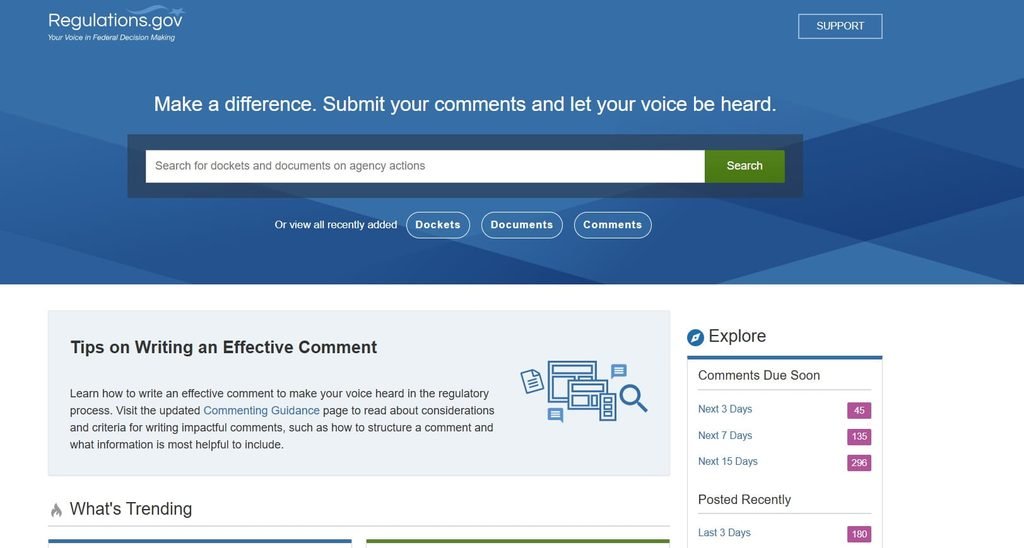
Comments must be received by December 10, 2026, under docket FNA-2025-0368. They can be filed through Regulations.gov or emailed to SNAPCPBRules@usda.gov, with the docket number and rule title in the subject line. All comments become part of the public record, including the commenter’s identity.
That means you should avoid including private information such as a Social Security number or case number.
Official sources and links
Frequently asked questions
Does everyone on SNAP have to work now?
No. The time limit covers certain adults aged 18 through 64 without an exception. Children, adults 65 and older, people with disabilities, pregnant individuals, and many caregivers are not covered.
How many hours do I need?
At least 80 hours a month of work, a work program, or a combination. Workfare is another route.
What happens if I do not meet it?
You lose benefits after three months in a 36-month period. You can regain them by meeting the standard for 30 days or by becoming exempt.
Is the age limit 54 or 64?
Under the 2025 law and USDA’s memo, the time limit covers ages 18 through 64. USDA’s public page still shows 18 to 54 while its guidance is pending, so rely on the memo and your state’s notice.
Are veterans exempt?
Not automatically. The exception was removed, though a veteran may qualify under another exemption, such as a disability.
What about people experiencing homelessness or former foster youth?
The same applies. Those automatic exceptions were removed, but other exemptions may still fit.
Are parents exempt?
If you are the parent of, or live with, a child under 14, yes. If all your children are 14 or older, the exception no longer applies.
Are Native Americans exempt?
Yes. People defined as an Indian, Urban Indian, or California Indian under federal law have a new exception.
Is the November 10 proposed rule in effect?
No. It is open for comment until December 10, 2026, and the final rule may change.
How much SNAP can I receive in 2026-27?
In the 48 states and D.C., the maximum is $306 for one person and $1,023 for four, effective October 1, 2026. Your actual amount depends on your income and deductions.
Where can I get help?
Contact your state SNAP agency, through USDA’s state directory above. For legal help with a denial or termination, a local legal aid office can advise.
Also Read :-
SSDI Payment Schedule December 2026 (9, 16 aur 23 Dec) Dates by Birthday
SSI Double Payment: Dec. 1 and Dec. 31 Dates, COLA
Social Security Taxable Maximum 2027: $192,300 Cap for Workers and Employers
COLA Notice 2027: Paperless Deadline Is November 18, and Here Is Exactly What to Do

1 thought on “SNAP Work Rules 2026: Who Is Affected, Who Is Exempt?”