
Social Security’s 3.6% COLA: Social Security recipients got a number on October 14, 2026, and now the harder question is what it does to the deposit that lands in their account. SSA announced that benefits and SSI payments for 76 million Americans will rise 3.6 percent in 2027. That is a solid raise by recent standards, and it comes after a 2.8% adjustment this year. But a percentage on a press release and a number on a bank statement are different things, because Medicare premiums, taxes, and your own benefit level all change the result.
A second set of figures arrived this week and completes the picture. On November 17, 2026, CMS released the 2027 Medicare Part A and Part B premiums, deductibles, and coinsurance amounts. Those numbers are now official, not estimates. For the roughly millions of retirees who have the Part B premium taken out of their Social Security, they decide how much of the 3.6% survives.

Social Security’s 3.6% COLA
This report walks through the official COLA, shows what it does at several benefit levels, explains where Medicare takes a share, and covers who gets paid when. It also flags a few related changes for 2027 and a few things that are still commentary rather than fact.
The official numbers
SSA says average Social Security retirement benefits will increase by about $75 per month starting in January. SSA estimates the average retirement benefit rises from $2,095 to $2,170. For married couples, the average increase is $117, taking the average monthly benefit for couples to $3,355 from $3,238.
The raise is the largest in several years. The 3.6% adjustment is the largest increase since 2023. That year’s COLA was 8.7%, so 2027 is well below the peak but above the last three years.
The headcounts differ depending on the source. The 76 million figure includes people on SSI. About 72 million Social Security recipients will see the increase in January, according to SSA.
How the 3.6% is calculated?
The COLA is not a judgment call. It is based on changes in the Consumer Price Index for Urban Wage Earners and Clerical Workers (CPI-W), as determined by the Bureau of Labor Statistics. SSA compares average prices in the third quarter of the current year with the third quarter of the previous year.
That is why SSA could only announce the number once the September inflation report came out on October 14.
Because the formula tracks a specific index for a specific period, the COLA can differ from the inflation you personally feel. Housing, health costs, and food can move differently from the CPI-W basket, especially for older households.
What 3.6% does to different benefit amounts
The raise is proportional, so the dollar gain depends on what you receive now. The table applies 3.6% to a few sample gross benefits. The last column subtracts the $6.50 increase in the standard Part B premium, for people who pay Part B through their Social Security check.
| Current gross monthly benefit | 3.6% raise | New gross benefit | Raise after $6.50 Part B increase |
| $1,000 | $36.00 | $1,036.00 | $29.50 |
| $1,500 | $54.00 | $1,554.00 | $47.50 |
| $2,000 | $72.00 | $2,072.00 | $65.50 |
| $2,095 (SSA average) | $75.42 | $2,170.42 | $68.92 |
| $3,000 | $108.00 | $3,108.00 | $101.50 |
Medicare takes a share, but a smaller one than last year
CMS set the 2027 standard Part B premium at $209.40 a month, up $6.50 from $202.90 in 2026. The Part B deductible is $292, up from $283. The standard premium for the full year comes to $2,512.80.
The size of the premium hike matters more than the number itself. The $6.50 rise is a 3.2% increase and is much smaller than the nearly 10% jump enrollees faced this year. Last year the average retirement benefit rose about $56 a month while the standard Part B premium jumped $17.90, leaving just $38 more in checks. By comparison, the average retiree in 2027 keeps roughly $68 of a $75 raise.
That contrast is the clearest sign that this COLA is better for most people than the last one. It is also the basis for a claim you may have seen in financial commentary: that 2027 would be the first year since 2023 that the COLA percentage exceeds the Part B percentage increase. With a 3.6% COLA and a roughly 3.2% premium rise, that now holds. The same commentary also pointed out that 2027 is the sixth straight year of raises of at least 2.5%. Those are accurate descriptions of the numbers. The explanations some columns attach to them, such as crediting particular policies for higher prices, are interpretation, and economists differ on how to weigh them.
Who pays more than the standard premium
Not everyone pays $209.40. The standard premium applies to people with modified adjusted gross income up to $112,000, or $224,000 for joint filers. Above those levels, income-related surcharges (IRMAA) apply. The 2027 surcharges range from $83.70 to $502.40 a month for an individual, depending on income. Roughly 9% of Part B enrollees pay more than the standard premium because of their income.
If you are in that group, your deduction will be larger and your net raise smaller. IRMAA is based on income from an earlier tax year, so a one-time event such as a large capital gain can push you into a higher bracket. SSA sends separate determination letters and has a process for people whose circumstances have changed.
Other people pay less or nothing. Those with help from state Medicaid or a Medicare Savings Program may not have Part B taken from their check at all. In that case, more of the raise reaches you.
If you are on SSI
SSI works differently from Social Security. It is a needs-based payment, and the federal amount is a set rate. The maximum federal benefit rises to $1,029 a month for an individual and $1,544 for a couple, from $994 and $1,491 in 2026.
The timing is also unusual. SSI recipients receive their first COLA-boosted payment on December 31, 2026. January 1 is a federal holiday, so the January payment goes out in December. Do not mistake it for an early or extra payment. It is your January payment. Your actual amount depends on other income and living arrangements, and some states add a supplement.
When the higher payment arrives
For retirement, survivor, and disability benefits, the increase begins with payments for December 2026 that are received in January 2027. The COLA applies to December 2026 benefits, which beneficiaries generally receive in January 2027. The payment date follows the usual schedule based on birth date. One published schedule lists January 13 for birth dates from the 1st to the 10th, January 20 for the 11th to the 20th, and January 27 for the 21st to the 31st. It lists December 31, 2026 for people who started Social Security before May 1997 or who receive both Social Security and SSI. Verify your own date on SSA’s schedule, since special circumstances can change it.
Finding your personal notice
Your personal amount appears in your COLA notice. SSA said people who created a my Social Security account and signed up for digital notices by November 18, 2026 could see their COLA online up to three weeks earlier than by mail. That deadline passed yesterday. If you missed it, your notice will come by mail.
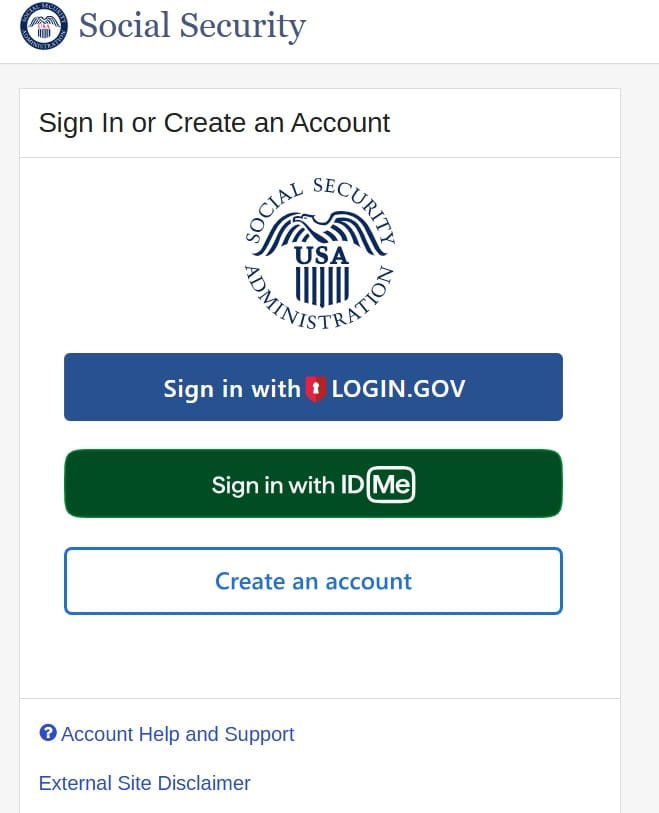
For people on Medicare, SSA posts the premium-adjusted amount separately. For beneficiaries enrolled in Medicare, the 2027 benefit amount will be available in the Message Center of their my Social Security account starting in late November. That figure is the one to compare against your bank deposit in January.
Other 2027 changes that affect your check
Some changes affect people who work while receiving benefits or who still pay Social Security taxes. As reported from SSA’s fact sheet:
- The maximum earnings subject to Social Security tax rises to $192,300, from $184,500.
- If you are under full retirement age all year, SSA withholds $1 in benefits for every $2 you earn above $25,560.
- In the year you reach full retirement age, SSA withholds $1 for every $3 earned above $67,920.
Withheld benefits are not lost. SSA recalculates your benefit upward once you reach full retirement age to credit the months it withheld. Still, the withholding can cause a sharp short-term drop in checks, so working beneficiaries should estimate their year in advance.
Medicaid Work Requirements 2027: New Delay and Rules
New SNAP Proposed Rule Could Cut Benefits for Millions
Also remember that Social Security benefits may be partly taxable depending on your total income. A bigger COLA can push some people over a threshold, so check your tax situation, or ask a tax professional, before assuming the full raise is yours to spend.
Beware of COLA scams
Announcements like this attract impostors. SSA’s Office of the Inspector General reminds beneficiaries that they do not need to register, apply, or otherwise activate the increase, because the COLA is automatic. Anyone who calls, texts, or emails to “activate” your raise, demand a fee, or ask for your Social Security number is not acting for SSA. Use your own my Social Security account or the official SSA site for notices.
What the raise does and does not do
A 3.6% COLA keeps benefits in line with measured price changes. It does not make recipients better off in real terms; it restores purchasing power already lost to rising prices. For many older households, costs such as health care, rent, and insurance have risen faster than the index. Others find the COLA roughly matches their expenses.
The program’s finances are a separate debate. Larger COLAs raise program costs, and analysts disagree about what that means for long-term solvency and what Congress should do about it. Nothing in the 2027 figures settles that argument, and nothing in them changes the 2027 benefit formula.
Official sources and links
| Topic | Source | What it covers | Link |
| COLA | SSA, “COLA 2027” announcement | The 3.6% COLA, $75 average increase, notice timing | https://www.ssa.gov/news/en/mip/2026-10-01-f.html |
| COLA | SSA advocates update (Oct. 14, 2026) | Announcement summary and digital-notice deadline | https://www.ssa.gov/news/en/advocates/2026-10-14.html |
| COLA | SSA COLA hub | History, calculation, fact sheet | https://www.ssa.gov/news/en/cola |
| Medicare | CMS fact sheet (Nov. 17, 2026) | Final 2027 Part A and B premiums and deductibles | https://www.cms.gov/newsroom/fact-sheets/2027-medicare-parts-b-premiums-deductibles |
| Medicare | Medicare.gov | Coverage and plan information | https://www.medicare.gov |
| Scam safety | SSA Office of the Inspector General | Warning that the COLA is automatic | https://oig.ssa.gov/scam-alerts/2026-10-21-social-security-2027-cola-announced-beneficiaries-are-not-the-only-ones-looking-forward-to-the-cola/ |
Frequently asked questions
What is the 2027 COLA?
3.6%, announced by SSA on October 14, 2026.
Will I get exactly 3.6% more in my account?
Your gross benefit rises 3.6%. What you see in the bank can be smaller if Medicare premiums, taxes, or other deductions come out of your check.
What is the average increase?
About $75 a month for retired workers, from $2,095 to $2,170, per SSA. For couples, about $117.
How much is the Part B premium in 2027?
$209.40 a month for the standard premium, up $6.50. The deductible is $292.
Do I have to apply for the COLA?
No. It is automatic.
When will my payment go up?
SSI recipients get the first higher payment on December 31, 2026. Retirement and survivor benefits rise with payments made in January 2027, on your usual schedule.
Why is my notice different from the average?
The average mixes many benefit levels. Yours depends on your own benefit, Medicare costs, and withholdings.
Do high earners pay more for Medicare?
Yes. Income-related surcharges apply above $112,000 for individuals and $224,000 for joint filers, ranging from $83.70 to $502.40 a month for individuals.
Does SSI get the raise?
Yes. The individual rate goes to $1,029 and the couple rate to $1,544.
Is the COLA taxable?
Social Security benefits can be partly taxable depending on your total income. Check the IRS rules or ask a tax professional.
Where do I see my exact new amount?
In your my Social Security account. Medicare-adjusted amounts appear in the Message Center starting in late November, or you will receive a mailed notice.
Could these figures change?
The COLA and Medicare premiums are final. Your individual amount can still change with income, IRMAA decisions, or other adjustments.
Also Read :-
New HUD Rule: Who Could Lose Federal Housing Aid?
Social Security COLA 2027 After Medicare: What You’ll Actually Keep
Social Security COLA 2027 After Medicare: What You’ll Actually Keep

4 thoughts on “Social Security’s 3.6% COLA: What It Means for Your Check?”